
Destinations
Corfu offers a wonderful mix of natural beauty, cultural heritage, and culinary delights, making it a must-visit destination for anyone traveling to Greece. The island's warm climate, stunning beaches, and lush greenery are perfect for outdoor enthusiasts and nature lovers. Meanwhile, the rich history and cultural traditions provide a fascinating glimpse into ancient Greek civilization. And of course, the delicious olive oil is a highlight for foodies and culinary enthusiasts. Overall, Corfu is a destination that offers something for everyone and is sure to leave a lasting impression on visitors.
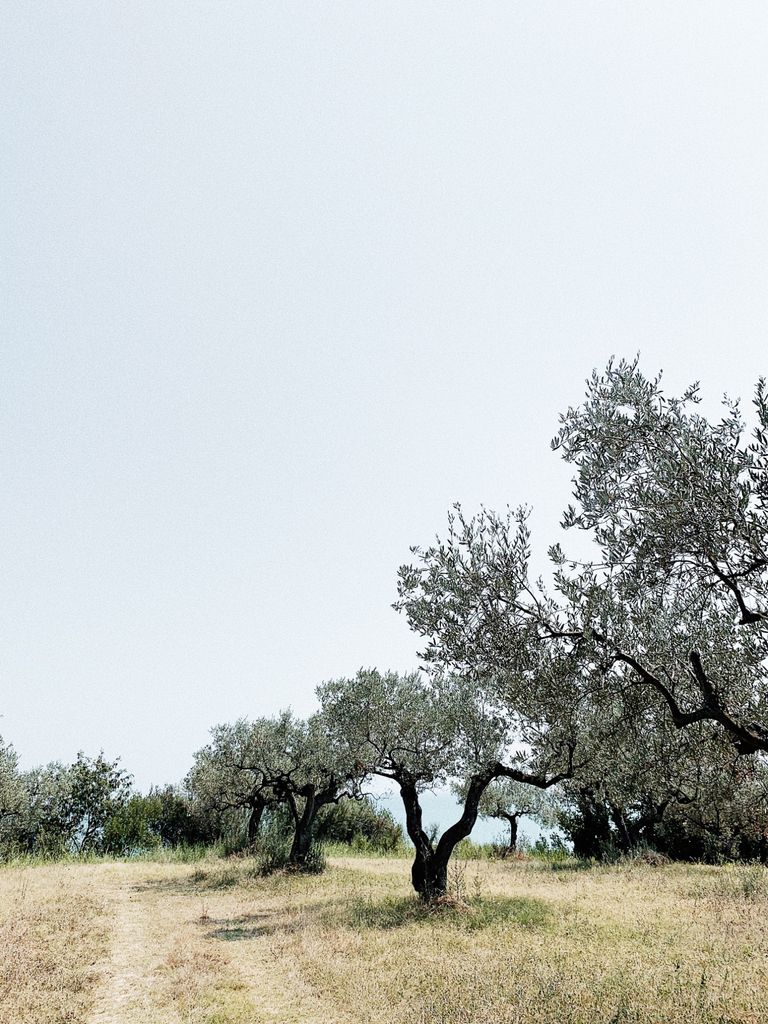
CORFU
Greek olive oil
Greece is famous for its high-quality olive oil, which is produced all over the country, including on the island of Corfu. Visiting a local olive oil mill can be a great way to learn more about the traditional methods of olive oil production and to connect with the local culture and history.
In addition to being a delicious and healthy food, olive oil has played an important role in Greek culture for thousands of years. It has been used for cooking, as a medicine, and as a symbol of peace and prosperity.
During your visit to Corfu, you may want to consider taking a tour of a local olive oil mill, where you can see the olive oil production process up close, sample different varieties of olive oil, and learn about the history and traditions of olive oil in Greece.
By supporting local olive oil producers, you can also help to preserve traditional methods of olive oil production and support sustainable agriculture practices in the region.
24 hours of collecting
A new way of producing olive oil
That sounds like a great approach to olive oil production. Hand-harvesting olives can be labor-intensive, but it allows for greater precision and control over the quality of the olives that are used to make the oil.
Using a gentle vibrating rod to harvest the olives is also a smart approach, as it helps to avoid damaging the branches and ensures that only the ripest olives are harvested. Timing is also crucial, as olives that are harvested too early or too late may not produce the best quality oil.
By focusing on quality instead of quantity, the olive oil producer is able to create a superior product that stands out from other olive oils on the market. This can help to build a loyal customer base and establish the producer as a leader in the industry.
Overall, it's great to see that the producer is taking a thoughtful and sustainable approach to olive oil production, and that they are committed to creating a high-quality product that customers can trust and enjoy.
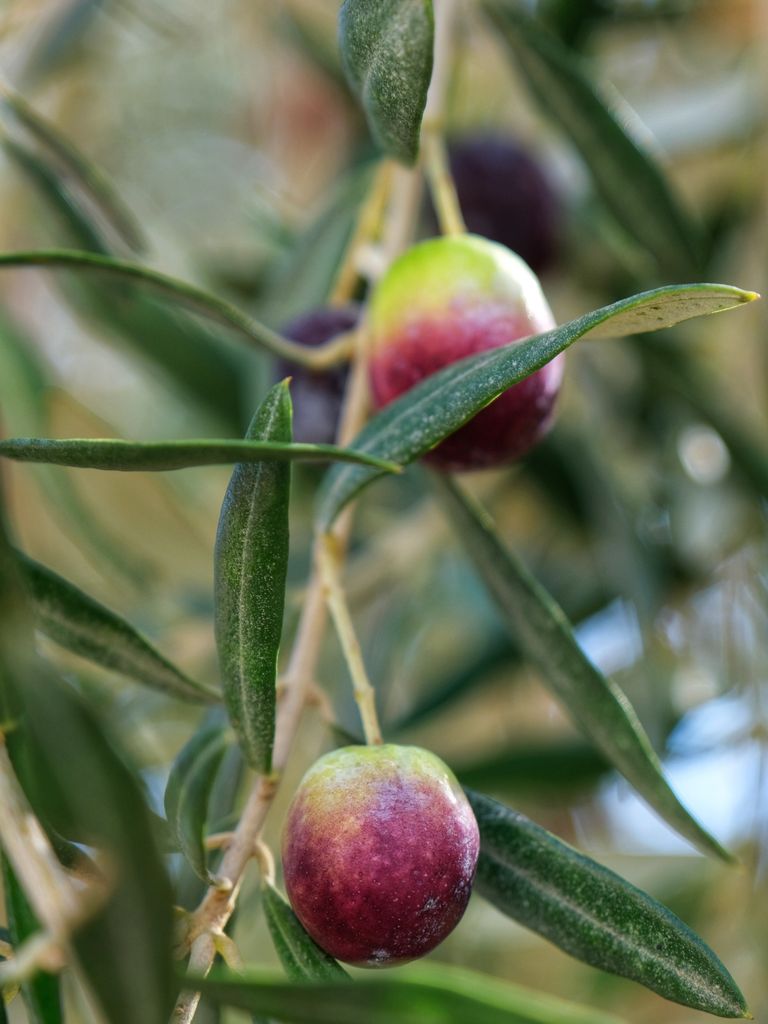

TASTING
Olive oil tasting
I completely agree! Olive oil may seem like a simple product, but there is so much complexity and depth to it, both in terms of its history and its taste. Tasting olive oil with bread, cheese, and wine is a wonderful way to experience the full range of flavors and nuances that this amazing product has to offer.
And when you add in the cultural and historical context of olive oil production, it becomes an even more fascinating and enriching experience. Learning about the traditional methods of olive oil production, as well as the ways in which it has been used throughout history, can give you a deeper appreciation for this versatile and valuable product.
Overall, I think that tasting and learning about olive oil is a great way to explore a new culture and to connect with local people and traditions. It's a unique and enjoyable experience that can leave a lasting impression on you and deepen your understanding of the world around you.
Experiences instead of activities
The experience economy in practice
In the experience economy, businesses aim to create memorable experiences for their customers, rather than just selling them products or services. This can involve creating immersive environments, providing personalized interactions, and offering unique and authentic experiences.
Travel and tourism are a prime example of the experience economy, as travelers seek out experiences that are culturally enriching, adventurous, and memorable. This has led to a rise in experiential travel, where travelers are looking for more than just sightseeing and relaxation. They want to engage with the local culture, learn new skills, and have meaningful interactions with local people.
To cater to this trend, businesses in the travel industry are offering a wide range of experiential activities, such as cooking classes, cultural tours, adventure sports, and visits to local artisanal producers like olive oil mills. These experiences can create a deeper connection with the destination and its people, and provide travelers with memories that they will cherish for a lifetime.
Overall, the experience economy is changing the way businesses operate and how travelers experience destinations. It has created a shift towards more meaningful and immersive experiences, and this trend is likely to continue as travelers seek out unique and authentic experiences that go beyond the traditional tourist offerings.