
OLIVE 8
Olive oil & more
Travel & Leisure
Highest standards for your best experience
Lorem ipsum dolor sit amet, consetetur sadipscing elitr, sed diam nonumy eirmod tempor invidunt ut labore et dolore magna aliquyam erat, sed diam voluptua. At vero eos et accusam et justo duo dolores et ea rebum. Stet clita kasd gubergren, no sea takimata sanctus est Lorem ipsum dolor sit amet.

Enim sit amet venenatis urna. Aliquam vestibulum morbi blandit cursus risus at ultrices mi tempus.
Et ligula ullamcorper malesuada proin libero nunc. Nec ultrices dui sapien eget mi proin sed libero. Nunc non blandit massa enim nec dui nunc mattis.
Ut tortor pretium viverra suspendisse potenti. Facilisis volutpat est velit egestas dui id.

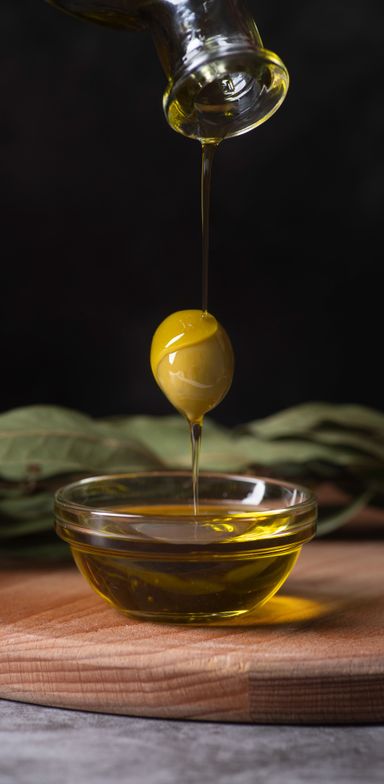

Traditional and Modern Use
Food Sciences and Nutrition
You are absolutely right. Olive oil is an essential part of the Mediterranean cuisine, which is renowned for its simplicity, freshness, and harmony of flavors. The use of high-quality olive oil in cooking and food preparation is a key characteristic of this cuisine.
Olive oil has a rich and complex flavor profile that can range from fruity and grassy to peppery and bitter. This diversity of flavor makes it a versatile ingredient that can enhance the taste of a wide range of dishes. It is often used in salads, pasta dishes, vegetable preparations, and as a finishing oil for grilled meats and fish.
The Mediterranean cuisine also places great importance on the use of fresh herbs and spices, which add depth and complexity to the dishes. Olive oil is often used as a carrier for these flavors, as it helps to release their aroma and flavor when combined with other ingredients.
In summary, the unique flavor and versatility of olive oil make it an essential ingredient in the Mediterranean cuisine. Its ability to resist rancidity and blend well with other flavors makes it a perfect choice for salads, dressings, and cooking.
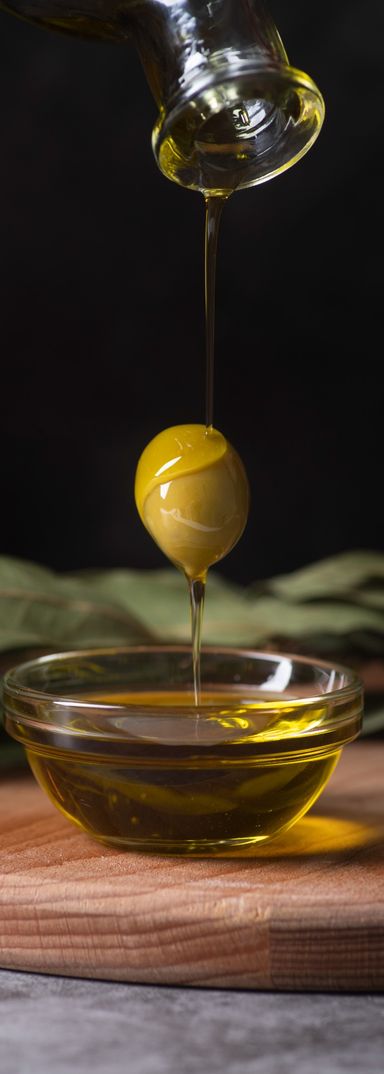
Olive Oil: Its Role in the Diet
Be one with nature
The health benefits of olive oil are due to its high content of monounsaturated fatty acids (MUFA), particularly oleic acid, and its phenolic compounds. Oleic acid has been found to improve blood lipid profile, reduce inflammation, and lower blood pressure. The phenolic compounds in olive oil have potent antioxidant and anti-inflammatory properties, which can protect against oxidative damage and chronic inflammation.
Furthermore, the Mediterranean diet, which is rich in vegetables, fruits, whole grains, legumes, fish, and nuts, and moderate in dairy products and red wine, has been associated with several health benefits. Olive oil plays a significant role in this diet and is believed to contribute to the health benefits observed.
In addition to its health benefits, olive oil is also used for its beauty benefits. It is rich in vitamins A and E, which can nourish and protect the skin and hair. It can also be used as a natural moisturizer and as a makeup remover.
Overall, olive oil is a highly beneficial food that can contribute to a healthy diet and lifestyle. Its unique flavor and character make it a staple in many cuisines, and its health and beauty benefits make it a versatile ingredient in various applications..
This stability is due to the presence of antioxidants such as phenolic compounds, tocopherols, and carotenoids, which protect the oil from oxidative damage. The shelf life of olive oil can be extended by storing it in a cool, dark place, away from light and heat sources, and in airtight containers to prevent exposure to air.
It is important to note that not all olive oils are created equal. Extra virgin olive oil, which is obtained from the first cold pressing of the olives, is the highest quality and most flavorful olive oil. It is also the most expensive. Other grades of olive oil, such as virgin and pure, may have undergone processing or blending with other oils, which can affect their flavor and nutritional value.
Consuming high-quality extra virgin olive oil as part of a balanced diet can provide numerous health benefits, as discussed earlier. However, it is important to choose a reputable brand and look for certifications such as the International Olive Council (IOC) seal or the Protected Designation of Origin (PDO) label to ensure the authenticity and quality of the oil.
Indeed, the unique flavor profile and versatility of olive oil make it a popular ingredient in many traditional and gourmet dishes. It can be used for cooking, baking, salad dressings, marinades, and as a finishing oil.
As you mentioned, Spain is one of the leading producers of olive oil, followed by Italy and Greece. However, olive oil is also produced in other countries such as Turkey, Tunisia, Morocco, and the United States.
The phenolic content of olive oil can vary greatly depending on several factors, as you mentioned. This is why it is important to choose high-quality extra virgin olive oil, which is typically higher in phenolic compounds than other grades of olive oil.
The health benefits of olive oil are attributed to its phenolic compounds, which have potent antioxidant and anti-inflammatory properties. These compounds can protect against oxidative damage and chronic inflammation, which are risk factors for many chronic diseases.
In conclusion, olive oil is a highly versatile and beneficial food that has been used for centuries in human diets and for medicinal purposes. Its unique flavor and health benefits make it a staple in many cuisines around the world.